


Ambient Weather Network
4.6857.00 Reviews
App Specs
- Version
- 4.6.5
- Updated On
- License
- Free
- Downloads
- 100,000+
- Developer
- Ambient Weather
- Categories
- Weather
- Platform
- Android
Screenshots
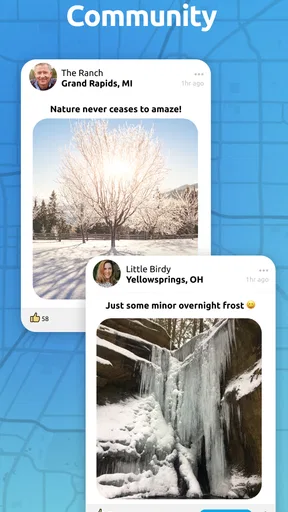
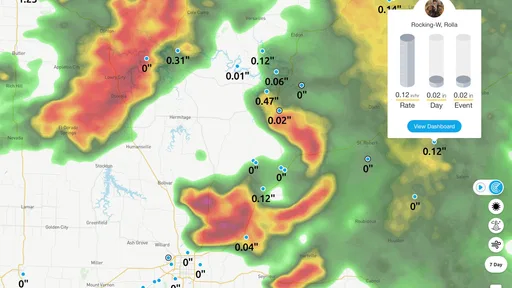
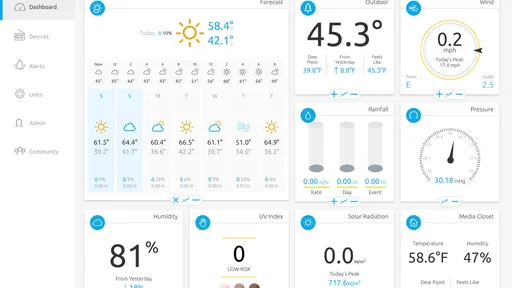
 Analysis by AppCompare
My first reaction to Ambient Weather Network is that it makes local weather feel less like a generic forecast and more like a changing neighborhood picture. That distinction is most appealing during the first few days, when I’m curious to see how conditions around me compare with what a broad forecast says. The app is free to download, but it makes the most sense when I have a reason to return to it—especially a nearby personal weather station or a genuine interest in local observations.
The first-week appeal: looking closer to home
As a weather app from Ambient Weather, it is built around a community of hyper-local weather information rather than only the familiar glance at a daily forecast. I like that idea for places where conditions can feel different from one part of town to another. A single regional forecast may be enough to decide whether to bring a coat, but local observations can add useful context when I’m trying to understand what is happening close by.
In the first week, the natural habit is to open it when the sky looks uncertain, then compare what I’m seeing with the local picture in the app. That can be more engaging than checking a standard weather app, which often presents the weather as a single answer for a wider area. The difference is not that every local reading will settle every question; it’s that the app invites me to think about weather as something observed across a community.
A realistic example is deciding whether to cycle home before a change in the weather. I would check the app before leaving, look at the nearby information, and use that as one part of the decision alongside the sky and the forecast I normally trust. If the local picture suggests conditions are changing, I might bring a light rain layer or choose a route where I can pause if needed. I would not treat one observation as a guarantee, but the extra perspective is useful when a broad forecast feels too general.
What makes the local network worth exploring
The app connects users with a wider group of weather stations, and that community angle is its clearest point of difference. If I already have a compatible personal weather station, connecting it can make the app more relevant: I can follow conditions at home and contribute observations rather than only consume a forecast. That is a more involved experience than a typical weather app, and it suits people who enjoy noticing patterns or checking how conditions vary nearby.
There is a practical trade-off here. The network’s usefulness depends on having local information that matters to me, and linking a station asks more of me than simply installing an app and allowing it to show general weather. The initial setup may feel like a project, particularly if I am unfamiliar with the station side of the experience. I’d approach it when I have time to follow the setup carefully rather than trying to work through it while rushing out the door.
Even without making station setup the center of my routine, I can use the app as a second viewpoint. That is a helpful way to judge its value before committing to a deeper workflow: check whether its local perspective answers a question I actually have. If it does, I have a reason to come back. If I only want a quick temperature check, its community focus may feel like more than I need.
Worth Reading Before You Choose

EA SPORTS FC Mobile 26 Is a Bigger Football Game, but It Takes Time

Flipboard Shows What News Apps Must Do Beyond the Feed

Switching to Android Auto Means Rethinking Your Driving Routine

Google Calendar Makes a Crowded Week Easier to Manage

Ludo King Makes the Most of the Minutes Between Plans

Baby Panda World Brings Quick Play to Modern Phones, but Its Game Library Feels Busy
Month-to-month value: a habit, not a novelty
A weather app earns space on my home screen through repeated small decisions, not a flashy first impression. Ambient Weather Network has a chance to become useful when I regularly plan outdoor time, pay attention to changing conditions around home, or enjoy comparing neighborhood observations. Its customizable alerts may also help when I want a prompt about weather conditions that matter to my plans, rather than remembering to check at exactly the right moment.
I would keep alerts selective. A notification is valuable when it prompts a useful action—bringing gear, changing a departure time, or checking conditions before an outdoor task. If I enable alerts for every condition I might find interesting, they can become background noise, and I may start ignoring the ones that deserve attention. I’d begin with the conditions I genuinely plan around, then adjust only after I see how often those prompts help.
For someone who has a home weather station, a good recurring workflow is to check the app at a consistent moment, such as before morning errands or before working outside. That makes the local observations easier to interpret because I’m comparing them with a familiar place and routine. It can also make contributing data feel purposeful: I’m not just adding another number to a network; I’m taking part in a tool I use to understand conditions around me.
Who will appreciate it—and who may not
I think it is best suited to people who care about weather beyond a quick icon: home-station owners, outdoor hobbyists, gardeners, cyclists, and anyone whose plans are sensitive to nearby conditions. A local network can be especially appealing when a regional forecast does not reflect what I see outside my own window. It also has an easy entry point for curious users who want to explore before deciding whether to connect equipment.
On the other hand, I would choose a simpler forecast app if I mainly need a fast answer about today’s high temperature or a basic chance of rain. I would also skip the station-centered side if I have no interest in setting up or maintaining weather equipment. The app’s distinctive value is tied to local observations and participation; if those do not matter to me, the extra context may not justify another weather app in a crowded phone.
Compared with the usual weather alternatives, the choice is less about declaring one app universally more accurate and more about the kind of information I want. A conventional forecast app is often the more direct option for a quick plan. Ambient Weather Network is more appealing when I want a neighborhood perspective and a connection to personal stations. I’d keep both only if they serve different jobs, rather than checking two apps out of habit and getting more information than I can use.
The app is rated 4.8 on average from around 3,500 ratings, with about 787 written reviews, and has over 100,000 installs. Those figures suggest it has found an audience, though I’d still judge it by whether its local view fits my own area and routine. It is free, rated for Everyone, and includes in-app purchases ranging from $4.99 to $99.99 per item, so I’d check what any purchase is for before spending. The current version is 4.6.3, and it runs on Android 7.0 or later.
Maintenance, friction, and staying power
The ongoing effort depends on how deeply I use it. A casual user can simply check the app when the weather matters; a station owner has a more involved relationship with the setup and with keeping the information useful. That extra participation is part of the appeal, but it is also a reason not to assume the app will be effortless for everyone. If setup becomes a chore or I stop caring about the local observations, the community angle alone is unlikely to keep it in my routine.
I also noticed that moving between parts of the app can occasionally feel laggy, which interrupts the quick-check experience. Weather is often something I look up while already making a decision, so even a small pause can be irritating. The interface is generally approachable, but a clean layout does not remove every bit of friction, especially when station setup is involved.
My best tip is to give the app a job before adding it to an established routine. I would decide whether I want neighborhood context, station participation, or targeted alerts, then use only the parts that support that purpose. This avoids turning a useful local resource into another screen I open automatically without learning anything from it. It also makes it easier to tell whether its ongoing value survives the initial curiosity.
Does it earn a lasting place?
For me, the lasting appeal is conditional but real. If local weather observations change how I plan my day—or if I own a personal station and want to connect its information to a broader community—Ambient Weather Network has a clear reason to stay installed. Its free entry point makes it easy to try, while the more involved station workflow gives dedicated weather watchers a deeper reason to return.
If I only need a fast, uncomplicated forecast, I would choose a simpler alternative and avoid adding steps to a routine that already works. If I do try this app, I’d spend the first week checking whether the local perspective gives me practical context, keep alerts limited to conditions I act on, and revisit the decision after the novelty fades. That is the test that matters: not how much weather information is on the screen, but whether the app helps me make better everyday choices often enough to justify its place.
What is Ambient Weather Network?
For those of you not in the know, the Ambient Weather Network is an app that not only gives you your daily weather forecast but connects you to a broader network of weather stations. Think of it like having a personal meteorologist in your pocket, ready to give you the lowdown on weather patterns right in your neighborhood.
Features That Shine
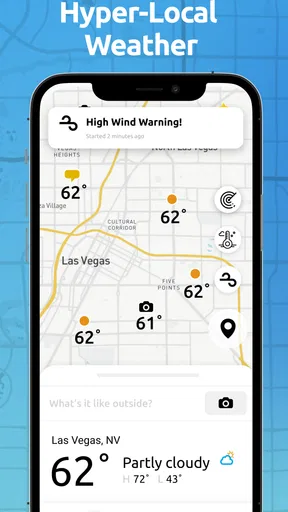
Let me tell you, this app is packed with features that make it stand out. First off, the hyper-local weather updates are a game changer. You get precise information tailored to your exact location, and it's updated frequently enough to keep you in the loop, no matter how quickly the weather turns.
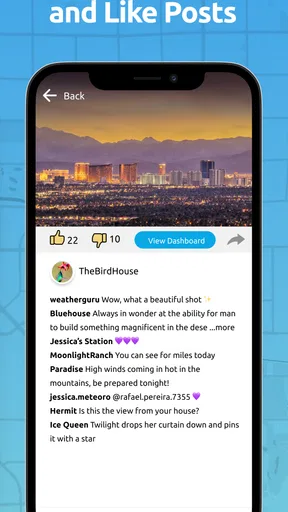
Another impressive feature is the integration with personal weather stations. If you have a weather station at home, you can link it to the app. This means you're not just passively receiving data; you're contributing to a community of weather watchers. It's like being part of a secret club of weather nerds, and I love it!
How's the User Experience?
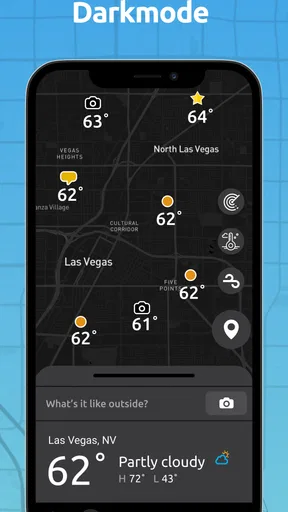
Now, let’s talk about how the app feels. The interface is super clean and intuitive. Even if you’re not tech-savvy, navigating through the app is a breeze. The layout is straightforward, with easy-to-read graphics and data points that don't overwhelm you with information.
There's also a nifty feature that allows you to customize alerts for different weather conditions. So, whether you're worried about a sudden downpour or keeping an eye out for high winds, the app's got you covered.
Why It Matters
Okay, so you might be wondering why you should care about another weather app. Well, the Ambient Weather Network goes beyond just telling you if you'll need a jacket. It connects you to a community and provides insights that are more accurate than your standard weather apps. Plus, with the added benefit of contributing data, you’re helping to improve weather predictions for everyone.
Room for Improvement
No app is perfect, and this one has a couple of areas that could use a touch-up. For starters, the initial setup can be a bit daunting if you're connecting a personal weather station. A more streamlined setup guide would be a welcome addition. Also, while the app is mostly stable, I've noticed a lag here and there when switching between features.
Final Thoughts
All in all, the Ambient Weather Network is a solid choice for anyone serious about keeping tabs on the weather. It's got the right mix of features, community connectivity, and user-friendly design to make it a staple on your phone. So, if you're ready to upgrade your weather-watching experience, give this app a whirl. Trust me, once you start using it, you'll wonder how you ever got by without it!
Pros
- User-friendly interface for easy navigation.
- Real-time weather updates and alerts.
- Customizable weather widgets available.
- Integration with smart home devices.
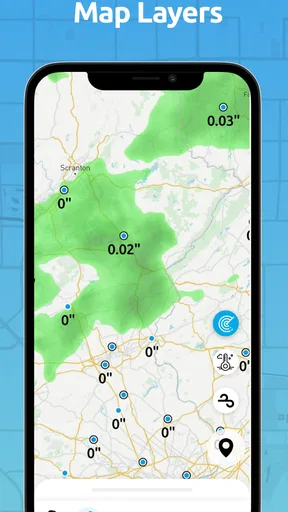
- Detailed forecasts and radar maps.
Cons
- Limited offline functionality.
- Some features require premium subscription.
- Occasional ads in the free version.
- Initial setup can be time-consuming.
- May drain battery with constant updates.
FAQs for Ambient Weather Network
What is the Ambient Weather Network app used for?
The Ambient Weather Network app is designed to provide users with real-time weather data and forecasts directly from a network of personal weather stations. It allows users to access hyper-local weather information, including temperature, humidity, wind speed, and precipitation, making it a valuable tool for weather enthusiasts and professionals alike.
Is the Ambient Weather Network app compatible with all weather stations?
The app is compatible primarily with Ambient Weather's own weather stations. However, it may also support data from other compatible stations that can connect through the Ambient Weather Network. It's important to check the compatibility before purchasing a weather station to ensure seamless integration with the app.
Does the Ambient Weather Network app require a subscription?
No, the Ambient Weather Network app is free to download and use. However, some features may require an account registration, especially if you're looking to upload data from your personal weather station to the network. Additional premium features or services might be offered in the future.
Can I customize the data displayed on the Ambient Weather Network app?
Yes, the app allows for a high degree of customization. Users can choose which data points to display and in what order, allowing for a personalized weather monitoring experience. This includes setting alerts for specific weather conditions, ensuring that users receive timely notifications about important changes.
How accurate is the data provided by the Ambient Weather Network app?
The accuracy of the data largely depends on the quality and placement of the individual weather stations in the network. Ambient Weather stations are known for their precision, but for the most accurate readings, ensure your station is properly installed and maintained. The app aggregates this data to provide comprehensive local forecasts.


